Spring
February to May
Dry, bright and blossoming. Cherry and camellia trees flower in the parks.
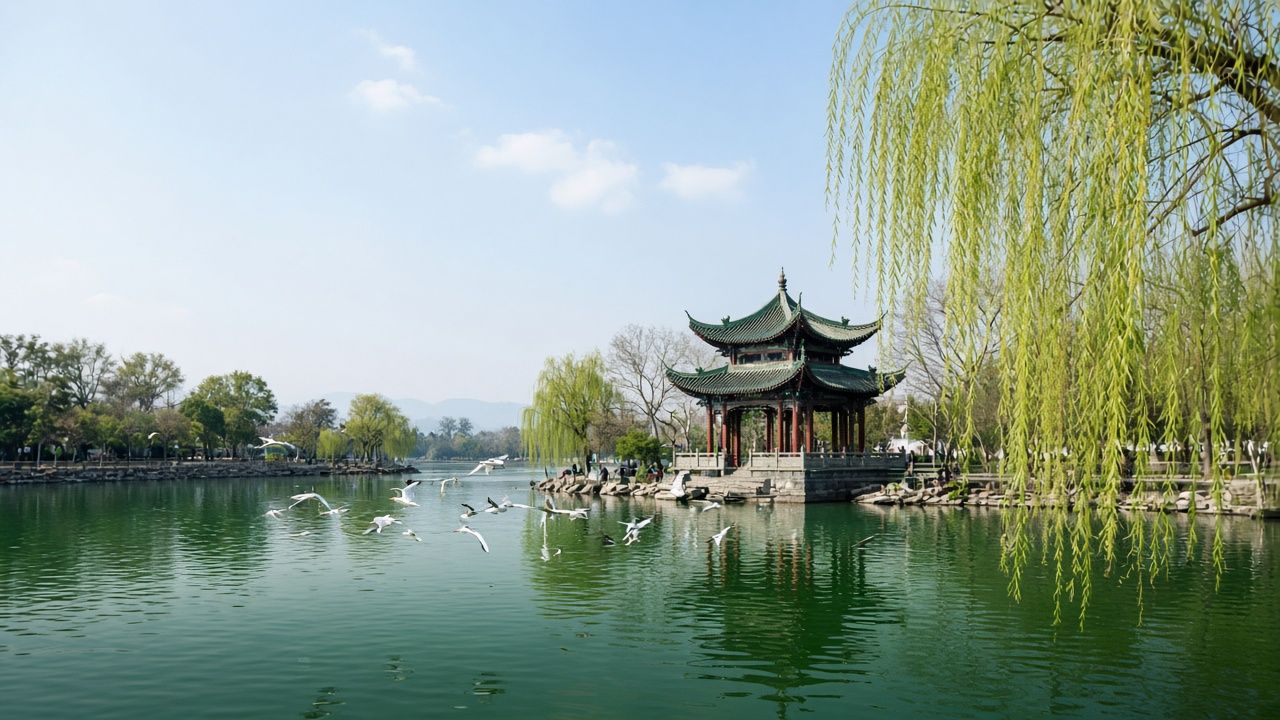
Kunming Travel Stories
Kunming and Yunnan, told one lake, one day trip and one bowl of noodles at a time.
Start in the Spring CityA first letter from Kunming
Kunming sits almost two kilometres up on the Yunnan–Guizhou Plateau, which is why it is called the Spring City: summers rarely get hot and winters are mostly sunny and mild. The capital of Yunnan province is a big, modern city, but it is also the doorway to limestone forests, red farmland, lakes, tea country and some of China's most varied food.
These pages are travel stories and practical notes for independent visitors: what to see in the city, which day trips are worth the early start, and what to order once you sit down. They are written for reading and planning, not for selling anything.
Kunming TS
Out of the city
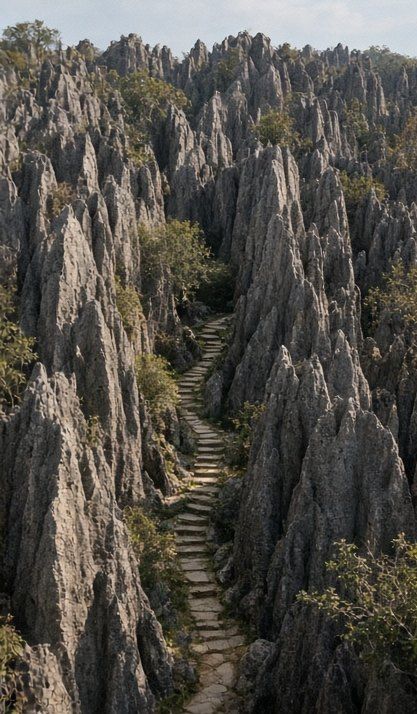
Grey limestone pinnacles, part of the South China Karst World Heritage Site, with paths that squeeze between the rocks.
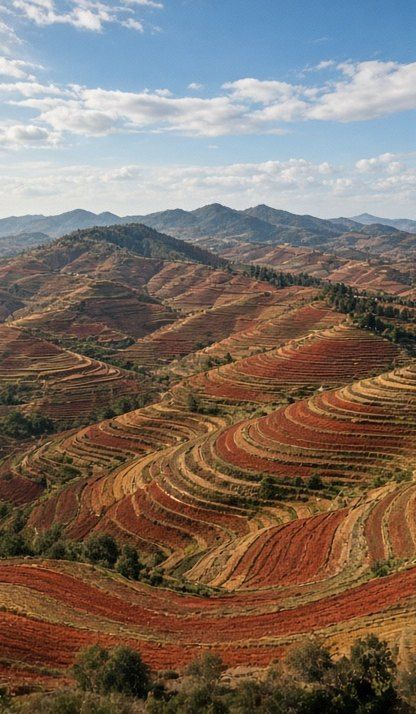
Rolling farmland where iron-rich soil turns the fields red, ochre and green with the seasons. Best as an overnight trip.
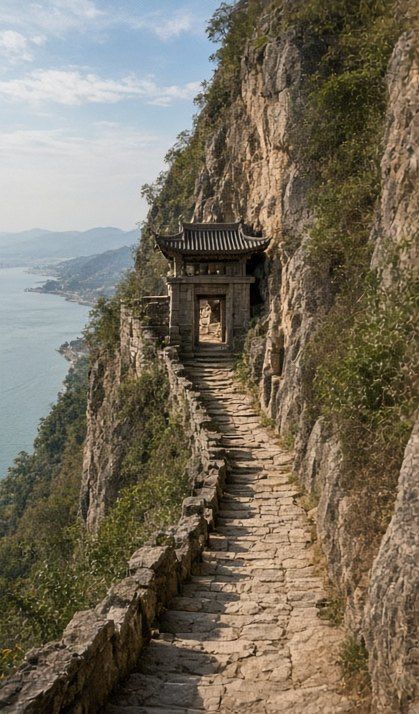
A cliff path and carved stone gate high above Dianchi, the largest lake in Yunnan, reachable in half a day.
Onward by rail
High-speed lines link Kunming with the rest of Yunnan and beyond. Typical fastest journey times, which vary by service:
At the table
Yunnan cooking borrows from the mountains, the borderlands and more than twenty officially recognised ethnic groups. Four things to try in your first week:
Read the Yunnan Food guide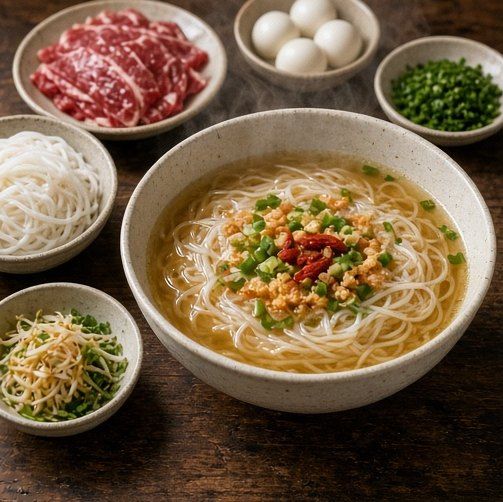
A very hot broth, then the raw slices, vegetables and rice noodles go in at the table.

The summer rainy season brings dozens of kinds to the markets. Eat them only at busy restaurants that cook them through.

Flaky pastries filled with sweetened edible rose petals, sold warm from bakeries all over the city.
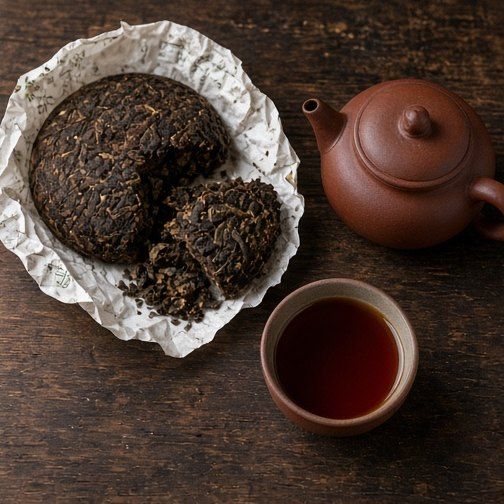
Pressed into cakes and aged, from the tea mountains in the south of the province.
When to go
February to May
Dry, bright and blossoming. Cherry and camellia trees flower in the parks.
June to September
Green hills, short heavy showers and the wild-mushroom markets.
October and November
Clear skies after the rains. A good time for the red farmland of Dongchuan.
December and January
Sunny days and cold nights. Gulls from the far north crowd Green Lake and Dianchi.
Before you go
General answers. Check the official rules for your passport and dates before you book.
It depends on your passport. China has widened visa-free entry for many nationalities in recent years and runs a visa-free transit scheme that includes Kunming's airport. Rules change often, so check with a Chinese embassy or the official immigration website before travelling.
Kunming is about 1,890 metres above sea level. Most visitors feel little more than shortness of breath on stairs for a day or two. The sun is strong, so pack sunscreen even in winter.
Mobile payment is everywhere. Alipay and WeChat Pay both let visitors link many foreign bank cards. Carry some cash as a back-up for small stalls and rural areas.
Kunming has a metro network that reaches the airport, the main railway stations and the centre, plus taxis and ride-hailing apps.
Yes, if you go early. The main area is busy by late morning, and the quieter northern sections reward a slower walk.
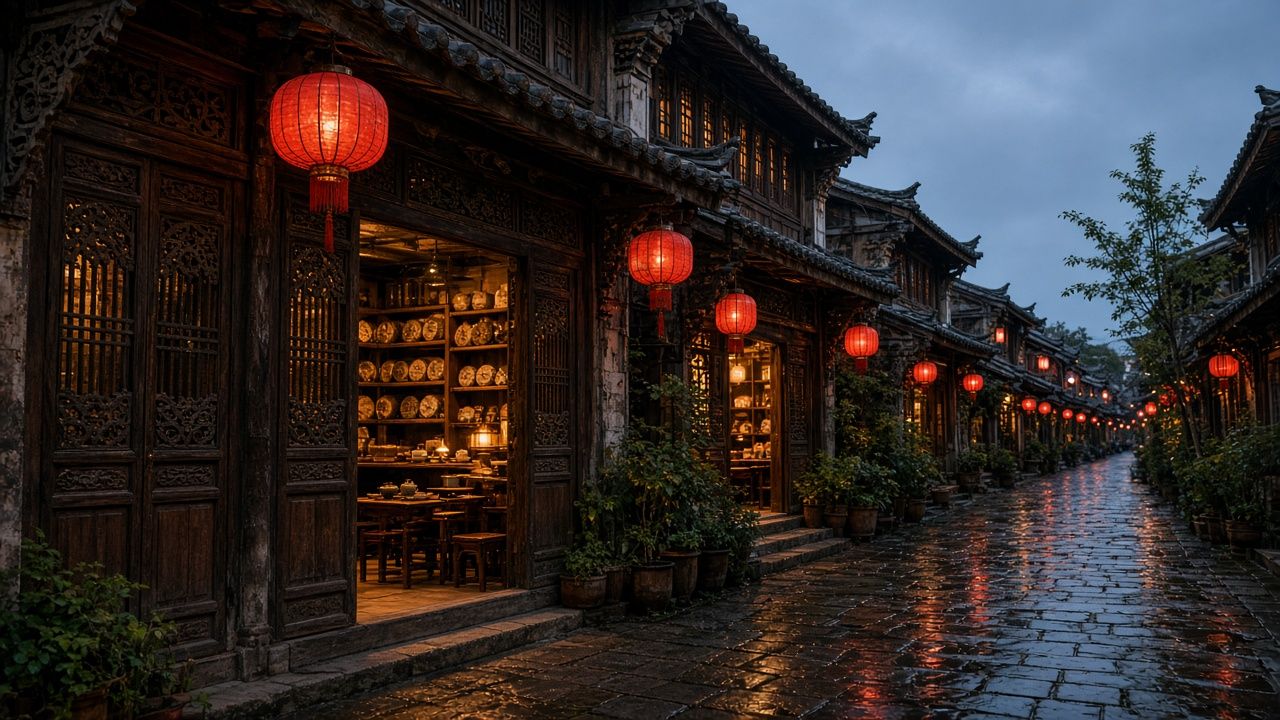
Then pick a day trip, or simply walk the lanes until the lanterns come on.
Choose a day trip